
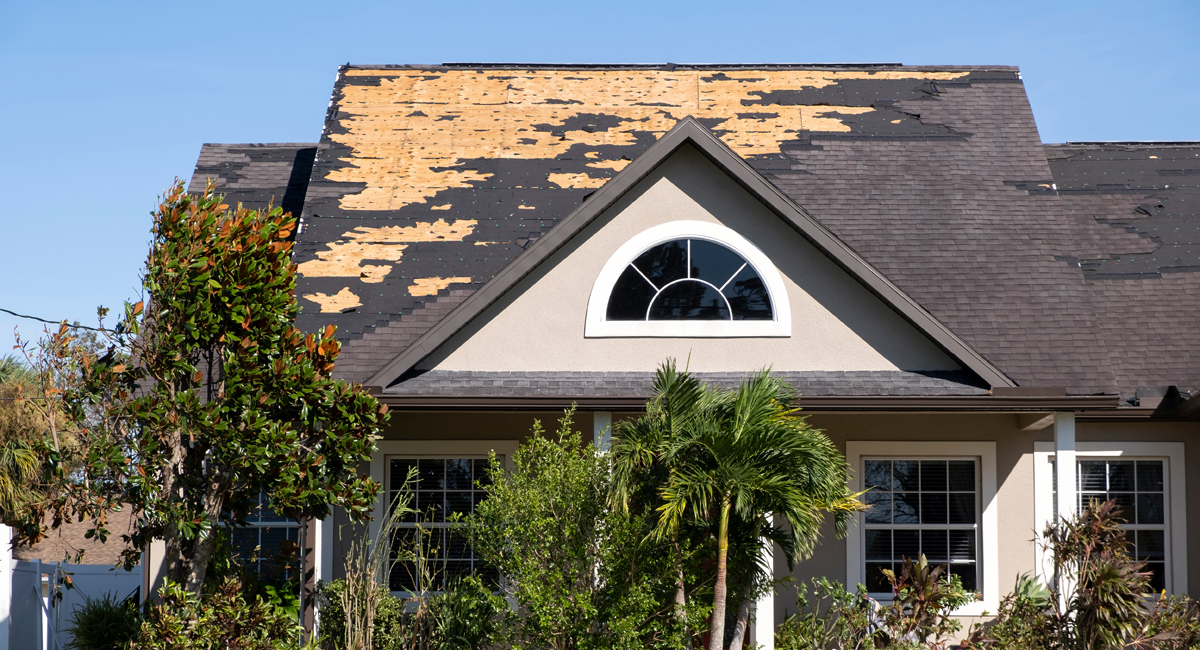
A severe storm rolls through at 11:00 PM on a Thursday. By 11:03, homeowners across your service area are searching online for emergency roof repair. They find your website. They fill out a contact form. Some of them call the number on your homepage.
And then they wait.
If no one picks up or follows up within minutes, they move on to the next result on the page. They do not leave a voicemail. They do not try again in the morning. They book the competitor who answered.
This is the reality of storm damage lead capture for roofing contractors, and it plays out in markets across the country every time severe weather hits. The contractors who win storm season are not always the ones with the best crews or the most competitive pricing. They are the ones who answer first.
An on-call answering service built specifically for roofing companies is the infrastructure that enables 24/7 lead capture. In this guide, we break down how it works, why speed is the single biggest lever in storm damage conversion, and what to look for when choosing an answering service for your roofing business.
The Storm Damage Window Is Narrower Than You Think
Roofing is one of the most time-sensitive service categories in the home improvement industry. When a hailstorm damages a neighborhood or a fallen tree punches through a homeowner’s roof, the customer is not comparison shopping on price. They are in urgency mode. They want someone on the phone now.
Research on lead response across the home services industry consistently shows that the first company to make contact converts at dramatically higher rates than any company that follows. The industry average response time hovers around 45 minutes. Companies with a dedicated on-call answering service respond within 65 seconds.
Think about what happens in those 44 minutes. A homeowner calls your number at midnight. Nobody answers. They call a competitor. That competitor answers on the second ring. The appointment is booked before you even know the lead existed.
Storm season compounds this problem because the volume of inbound calls spikes fast and unpredictably. A single hailstorm can generate more call volume in a single evening than your normal weekly average. If your office is closed and your crews are already out doing emergency tarping, your phone goes unanswered. Leads pile up. Opportunity evaporates.
The first company to make contact converts at dramatically higher rates. The industry average response time is 45 minutes. Pronexis averages 65 seconds.
The contractors who consistently dominate post-storm lead capture are the ones who have built infrastructure to answer every call, at any hour, with a professional live agent who knows how to qualify a roofing lead and move it toward a booked inspection.
What an On Call Answering Service Actually Does for Roofing Contractors
An on-call answering service is not just a voicemail box with a live person attached. At the level Pronexis provides, it’s a fully managed lead-capture system that operates 24 hours a day, seven days a week, staffed by US-based agents trained specifically for home services and roofing conversations.
Here is what that looks like in practice:
Live Agent Response Around the Clock
When a homeowner calls your roofing company after a storm, a trained live agent picks up the phone within 65 seconds. The agent is not reading from a generic script. They are following a brand-aligned call flow built for your company, asking the right questions about damage type, property location, and urgency level, and representing your business professionally at every point.
This matters because roofing calls, especially emergency calls, are not transactional. A homeowner who just watched a tree limb punch through their ceiling is stressed. They need to feel heard, not forwarded to voicemail. A live agent who responds with empathy and competence builds immediate trust and dramatically increases the likelihood of a booked inspection.
Storm-Specific Lead Qualification
Not every call that comes in after a storm is the same type of lead. An on-call answering service built for roofing contractors distinguishes between three lead categories in real time:
- Emergency leads who need immediate tarp or emergency repair response
- Insurance leads with significant hail or wind damage who want an inspection scheduled as soon as possible
- Maintenance and replacement leads who noticed minor damage and are considering a full replacement
Each category requires a different response and routing path. A generic answering service will not make these distinctions. A roofing-specific on-call answering service will qualify each call appropriately and route it accordingly, ensuring your most urgent leads receive your fastest response.
Omnichannel Lead Capture: Phone, Text, and Web Form
Storm damage leads do not only come through phone calls. Many homeowners, especially younger demographics, will submit a web form or send a text message rather than calling. An on-call answering service that only handles phone calls is already leaving leads on the table.
Pronexis captures and responds to leads across all channels. Through our digital lead handling system, inbound form submissions, SMS inquiries, and website chat messages are routed to live agents or automated follow-up sequences with the same urgency as phone calls. Every lead source is connected. No inquiry goes unacknowledged.
After-Hours Coverage Without Adding Headcount
Most roofing companies operate with a small office staff. Hiring additional customer service representatives to cover nights, weekends, and holidays is expensive and operationally complex. Pronexis costs approximately one-fifth as much as a dedicated in-house customer service rep, with better coverage and trained performance.
For roofing contractors in high-storm markets, the math is simple. You are not paying for idle labor during slow periods. You are paying for capacity that scales automatically with your lead volume, peaking during storms when you need it most and costing less during the off-season.
The Revenue Cost of Missed Storm Calls
It is easy to think of a missed call as a minor inconvenience. The reality is that every missed storm damage call represents a specific, measurable revenue event that did not convert.
Consider the average residential roofing job in your market. If the average ticket value is $12,000 and you miss ten calls over a single storm weekend, the potential revenue loss from those missed first contacts runs into six figures. Even if you convert some of those leads later through follow-up, the customer who books during the storm period has a significantly higher close rate than one who is cold-called three days after the event.
Pronexis clients see an average 125% increase in ROI within the first year of using the platform. Much of that lift comes directly from what happens to leads at the moment of first contact. When every call is answered, and every lead is qualified immediately, fewer opportunities are lost to competitors who happen to pick up the phone first.
Pronexis clients see an average 125% increase in ROI within their first year. The biggest driver: capturing leads that were previously lost to slow or missed responses.
The 65-second response time Pronexis maintains, compared with the 45-minute industry average, is not just a marketing statistic. It represents a structural competitive advantage. In a storm-damage market where every contractor is suddenly fielding calls from the same pool of affected homeowners, the contractor who responds in under a minute wins the appointment; the contractor who responds in 45 minutes never gets it.
How Pronexis Handles Storm Season for Roofing Contractors
Pronexis was built from the inside out by home services industry operators. The platform originated within Five Star Painting, a franchise system with 100-plus locations, before expanding to serve roofing companies, HVAC providers, pest control brands, and other contractors across the home services space. That origin matters because it means the systems are designed for the operational realities of field-based home service businesses, not generic call volume.
For roofing contractors, the Pronexis approach operates across three integrated layers:
Layer 1: Live Agent Call Center
Our live agent call center services provide 24/7 inbound call handling by US-based agents trained specifically for home services conversations. Agents follow brand-aligned call flows, handle storm-specific qualification questions, book inspection appointments directly into your calendar, and escalate emergency calls to your on-call crew as needed. Call quality is continuously monitored and coached.
Layer 2: Digital Lead Capture and Follow-Up
Beyond inbound calls, Pronexis captures leads from every digital channel: website forms, HomeAdvisor, Thumbtack, Porch, Facebook, and Google. Each lead is immediately routed into a structured follow-up cadence of five calls, three SMS messages, and four emails, timed at optimized intervals to maximize contact rate.
For storm damage leads, speed in the follow-up sequence is as important as speed on the initial call. Leads that do not pick up on the first outbound attempt receive a second contact within minutes. The cadence runs automatically, with every attempt tracked and dispositioned. Nothing falls through the cracks.
Layer 3: Appointment Scheduling
Through Pronexis online scheduling and booking, agents can book inspection appointments directly during the initial call or follow-up contact, syncing in real time with your team’s availability. No callback required. No scheduling back-and-forth. The lead goes from first contact to confirmed inspection in a single interaction.
What to Look for in a Roofing Answering Service: A Buying Guide
Not all on-call answering services are created equal. If you are evaluating options for your roofing company, here are the criteria that separate a genuine competitive advantage from a basic call answering solution:
1. Home Services Industry Specialization
A general-purpose answering service that also handles calls for law firms, medical offices, and retail businesses is not trained for roofing conversations. Agents need to understand storm-damage terminology, insurance claim processes, inspection-scheduling logistics, and how to handle an emotional homeowner calling after a traumatic weather event. Look for a provider with documented experience in home services and industry-specific training programs.
2. True 24/7 Live Agent Coverage
After-hours coverage built on voicemail trees or automated bots does not capture storm damage leads. Homeowners calling after a storm want to speak with a live person. Verify that the provider offers live agent coverage at all hours, including overnight, weekends, and holidays, not just extended business hours.
3. Speed-to-Lead Performance
Ask any answering service for their actual average response time, and ask how that time is measured. The industry average response time is around 45 minutes. Any provider worth working with should be able to demonstrate response times well under 5 minutes for live calls. Pronexis maintains a 65-second average across all inbound calls.
4. Storm Surge Capacity
During a major hail event or severe weather outbreak, your call volume may increase five to ten times your normal rate in a matter of hours. Your answering service needs infrastructure to handle that surge without call abandonment or excessive wait times. Ask specifically about surge capacity and how the provider scales during weather events.
5. Multi-Channel Lead Handling
Storm damage leads arrive through every channel simultaneously. A provider who only handles inbound phone calls is leaving your web form submissions, text inquiries, and chat messages unattended. Look for omnichannel capabilities that route all lead sources into a single follow-up system.
6. CRM and Calendar Integration
Your answering service should connect directly to your CRM and scheduling calendar so that leads are captured and appointments are booked without manual data entry. Ask about native integrations with the platforms you already use and whether real-time sync is available.
7. US-Based Agents
For roofing calls, particularly storm-damage and insurance-related conversations, the quality of the customer interaction directly impacts conversion. US-based agents with native English proficiency and industry-specific training consistently outperform offshore alternatives in home services categories. Pronexis operates exclusively with US-based agents.
8. Performance Transparency
Ask for reporting on call answer rates, response times, qualification outcomes, and appointment booking rates. A provider that cannot provide data on these metrics cannot help you optimize performance. Pronexis provides full performance analytics so you can see exactly how your lead capture system is performing.
Why Roofing Contractors with Multiple Locations Need Centralized Answering
For roofing contractors who operate across multiple service areas or who are considering franchise expansion, a centralized on-call answering service solves a problem that local staffing cannot: consistency.
When each location manages its own call handling, performance varies dramatically. One location answers in two rings. Another lets calls go to voicemail during lunch. A third has high turnover in the front office, and quality drops every time a new person is onboarded. From the outside, customers experience the same brand name but wildly different service quality.
Pronexis standardizes call handling across every location. Every inbound call, regardless of which market it comes from, is answered with the same brand-aligned script, the same qualification questions, and the same professional tone. Franchisors and multi-location operators can see performance data across their entire network in a single dashboard and identify locations where lead capture can be improved.
This is particularly valuable during storm season, when multiple markets may be affected simultaneously and the pressure on each location’s call handling spikes. With centralized answering, the surge is absorbed at the platform level rather than falling on individual office staff who may be overwhelmed.
Real Results: What Happens When Roofing Contractors Stop Missing Calls
The case for an on-call answering service ultimately comes down to measurable revenue impact. Across the home services companies Pronexis works with, the results follow a consistent pattern:
- Response time drops from 45 minutes to under 65 seconds, capturing leads that previously converted to competitors
- Qualified lead conversion reaches 69-70%, because professional agents move every reachable contact toward a booked appointment
- After-hours lead capture increases significantly, because no calls are dropped to voicemail overnight or on weekends
- Follow-up completion rates improve because structured cadences run automatically, not depending on office staff bandwidth
- ROI increases an average of 125% within the first year
For roofing contractors, the storm season math is particularly compelling. A single severe weather event that generates 50 qualified leads can drive hundreds of thousands of dollars in booked work. The difference between capturing 30 of those leads and 48 is neither crew size nor material cost. It is how quickly the phone gets answered.
How to Get Started
The first step is understanding exactly where your current lead capture system is leaking. Most roofing contractors are surprised to discover how many calls go unanswered, how many follow-up attempts stop after one contact, and how significant the gap is between their response time and what is required to win in a competitive storm market.
Pronexis offers a free lead response audit that measures your current performance across every touchpoint: inbound call answer rates, response times, follow-up completion, and appointment booking rates. The audit identifies specifically where you are losing leads and quantifies the revenue opportunity.
There is no commitment required. The audit is free, and the data belongs to you.
If you are heading into storm season with a manual call handling process, a staffed office that closes at 5:00 PM, or a voicemail system that asks homeowners to leave a message, you are already behind the contractors who have built a 24/7 on-call answering infrastructure.
The window for a storm damage lead is short. The best time to build the system that captures it is before the next storm hits.
Ready to Stop Missing Storm Damage Leads?
Get your free lead response audit and see exactly how many leads your current system is losing. No commitment. No cost. Just data.